







Search Results for: Blend SOE
SOE Coffee | How to distinguish single-origin SOE beans from espresso blend beans? Which coffee beans are suitable for making SOE? Is SOE coffee better in quality than espresso blend beans?
Have you noticed that many coffee shop menus now include a "switch to SOE" option, and some even offer several SOE choices? I believe quite a few friends have started to wonder what these letters actually mean. In this article, Front Street will summarize SOE and the blended coffee we commonly see. [more…]
Which actually tastes better, SOE or blended beans? Explaining the definition of SOE, espresso bean choices, and price differences
When ordering at a coffee shop, more and more people find themselves torn: should they choose a regular blend or pay extra to upgrade to an SOE? Is SOE necessarily more premium and better tasting than a blend? Is it the same thing as single-origin beans for pour-over? Starting from the definitions, this article sorts out the real relationship between SOE and blended beans, analyzes the differences between the two in flavor, price, and commercial positioning, and introduces the characteristics and suitable scenarios of several Front Street Coffee espresso blends, helping you make a clearer judgment when ordering or buying. [more…]
SOE Single-Origin Coffee Bean Recommendations | Is There a Big Flavor Difference Between SOE Coffee and Blended Coffee? Is the Coffee Quality of SOE Beans Better Than Espresso Blend Beans?
In the coffee world, when people mention SOE coffee, they are referring to Single Origin Espresso. Spelled out, this English abbreviation is Single Origin Espresso, and its direct opposite is Espresso Blend, which refers to Italian-style blended beans. SOE is like the [more…]
Understanding the Difference Between SOE Single-Origin Espresso and Espresso Blend Beans in One Article, Plus a Full Analysis of Front Street Coffee Espresso Bean Recommendations
SOE stands for single-origin espresso. It has rapidly gained popularity in domestic specialty coffee shops over the past two years and is often compared by consumers with espresso blends. This article will clarify the positioning of the two: SOE excels in distinctive flavor personality, while blends are strong in quality consistency, and there is no absolute hierarchy between them. The article also explains the difference between the two blending processes—pre-roast blending and post-roast blending—and compiles Front Street Coffee's four espresso blends and three medium-roast single-origin beans suitable for pulling SOE, including Strawberry Candy Blend, Costa Rica Mozart, Ethiopia Huakui, Brazil Queen's Farm, and others, providing a practical reference for choosing espresso beans. [more…]
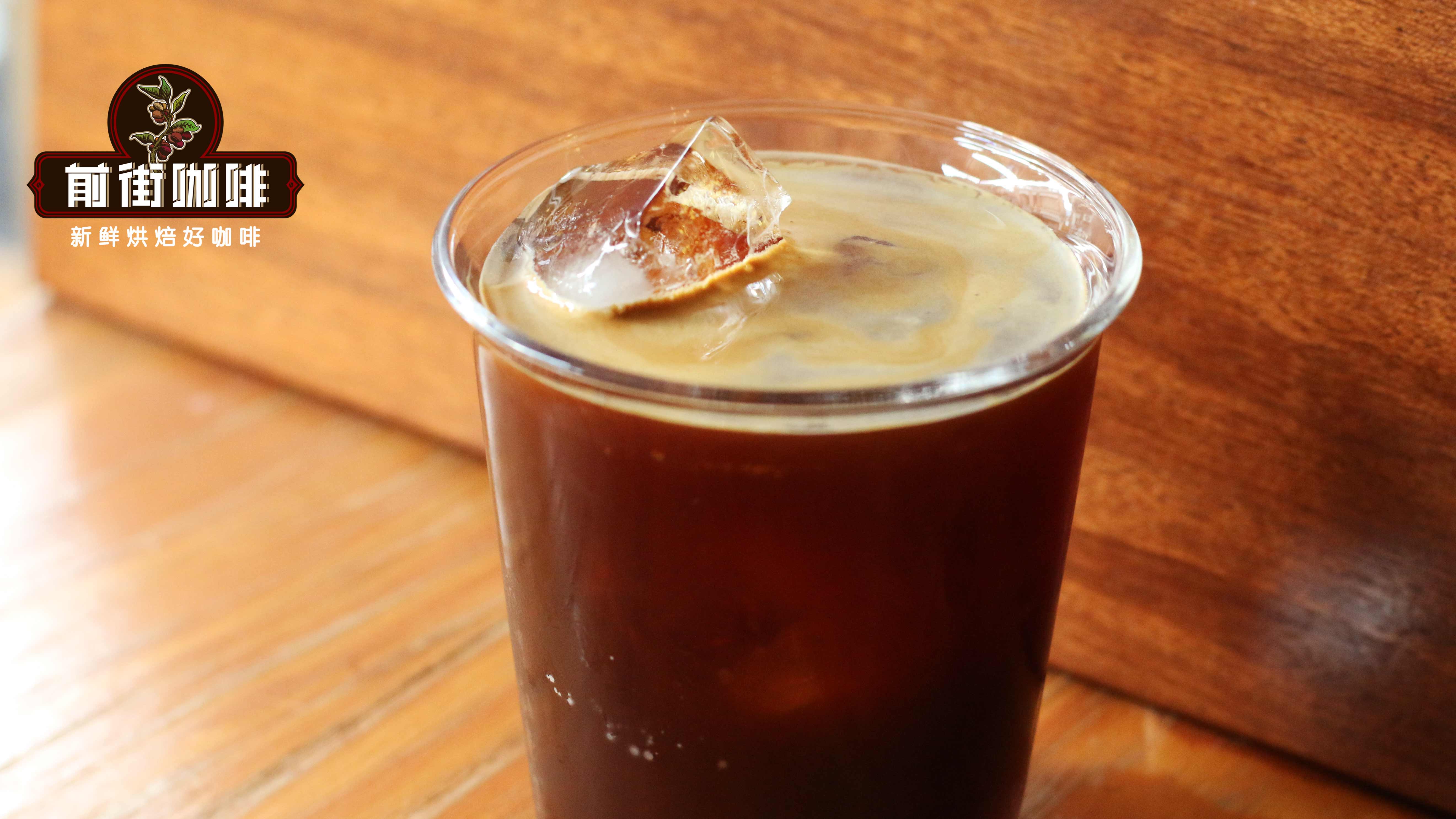
How Is SOE Coffee Different from Single-Origin Beans? An Analysis of Espresso Bean Selection Logic and the Reasons for the Price Premium
When ordering an Americano or latte at a coffee shop, you will often be asked by the staff whether you want to swap in SOE coffee beans for an extra few yuan. What exactly is SOE? How does it relate to single-origin beans and blend beans? This article starts from the definition of SOE, traces its historical roots with blended coffee, explains why SOE is often regarded as the more premium choice, and unpacks the cost logic behind its surcharge. It will also introduce the characteristics of Front Street Coffee's classic espresso blend, helping enthusiasts understand that SOE and blends are not absolutely superior or inferior to each other—the difference lies only in the purpose of use and the pursuit of flavor. [more…]
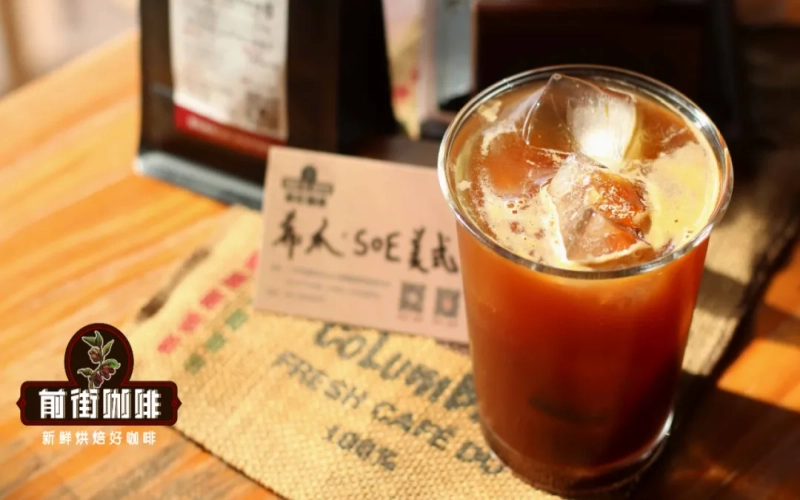
Why Is SOE Espresso More Expensive Than Blends? A Full Breakdown of the Differences Between Single-Origin Espresso and Blend Beans
When ordering at a café, have you ever noticed that Americanos or milk coffees often come with two choices: the default espresso blend, and an SOE that requires an extra charge? SOE stands for Single Origin Espresso, meaning espresso made from coffee beans from a single origin. From James Hoffmann's championship-winning creation at the 2007 World Barista Championship to today's chain brands promoting it one after another, SOE has moved from niche to mainstream. The core reason it costs more than a blend is that the single-origin beans used are of higher quality and have more distinctive flavors, so the cost naturally rises. But SOE is also a major challenge for baristas—light-roasted beans are hard in texture, and pressurized extraction easily magnifies flaws, so delivering consistent quality is by no means easy. This article will walk you through the ins and outs of SOE, and why Front Street Coffee insists on not offering SOE coffee. [more…]
Why Is SOE Coffee Priced Higher? A Full Breakdown of Single-Origin Espresso vs. Blend Beans and Extraction Adjustments
When ordering an Americano or milk coffee at a café, you'll often encounter two choices: the default house blend and a pricier SOE. What exactly does SOE mean? What's the fundamental difference between it and an espresso blend? Why does switching to SOE cost extra? This article starts with the definition and history of SOE, explaining how it moved from atmospheric-pressure pour-over extraction into the realm of espresso, and analyzes its bean-selection logic and cost structure. It also draws on several Front Street single-origin beans to share practical tips on brew ratio, grind size, dose, and yield adjustment, helping you make smoother Americanos and lattes tailored to SOEs of different roast levels and flavor types. [more…]
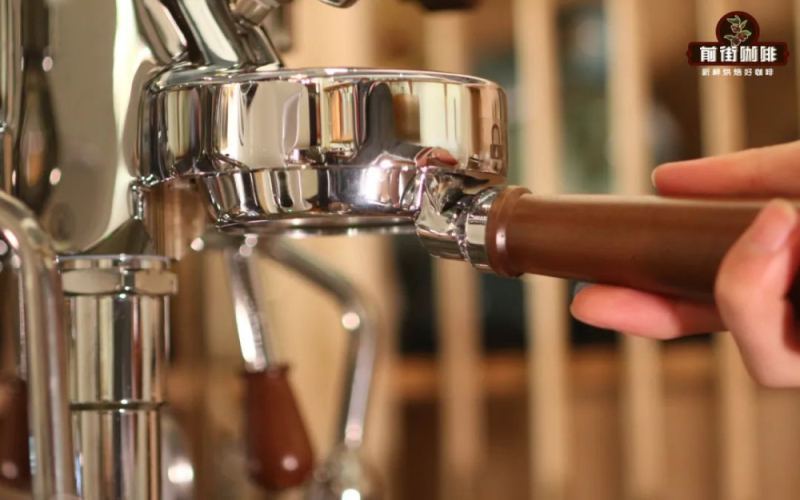
How to Choose SOE Coffee Beans? Single-Origin Espresso Flavor Characteristics and a Practical Reference for Huakui Extraction Coffee-to-Water Ratio
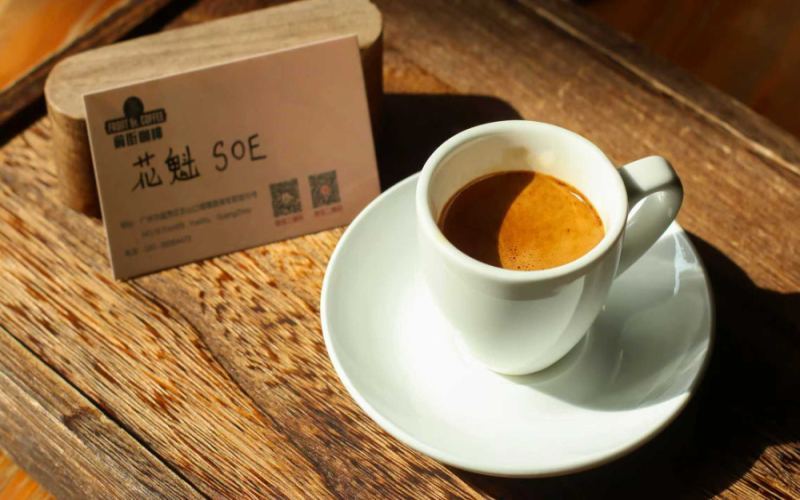
Espresso has always been known for its intense, full-bodied flavor, and the emergence of SOE has injected entirely new possibilities into this field. Starting from the definition of SOE, this article sorts out its differences from single-origin beans, blend beans, and pour-over beans, explains the logic behind the relatively high pricing of SOE coffee beans, and recommends several Front Street Coffee beans that are capable of both pour-over and espresso extraction. The article also provides in detail the complete parameters and operating process for making SOE with Front Street Coffee Huakui 8.0, including key points such as extracting 40 grams of liquid from 20 grams of powder, a powder-to-liquid ratio of 1:2, and controlling the time between 26 and 32 seconds, making it a useful reference for enthusiasts who want to recreate a cup of fruity espresso at home. [more…]
How to Choose Between SOE Single-Origin Espresso and Espresso Blend Beans? Roast Level Differences and Front Street Coffee's 5 SOE Recommendations
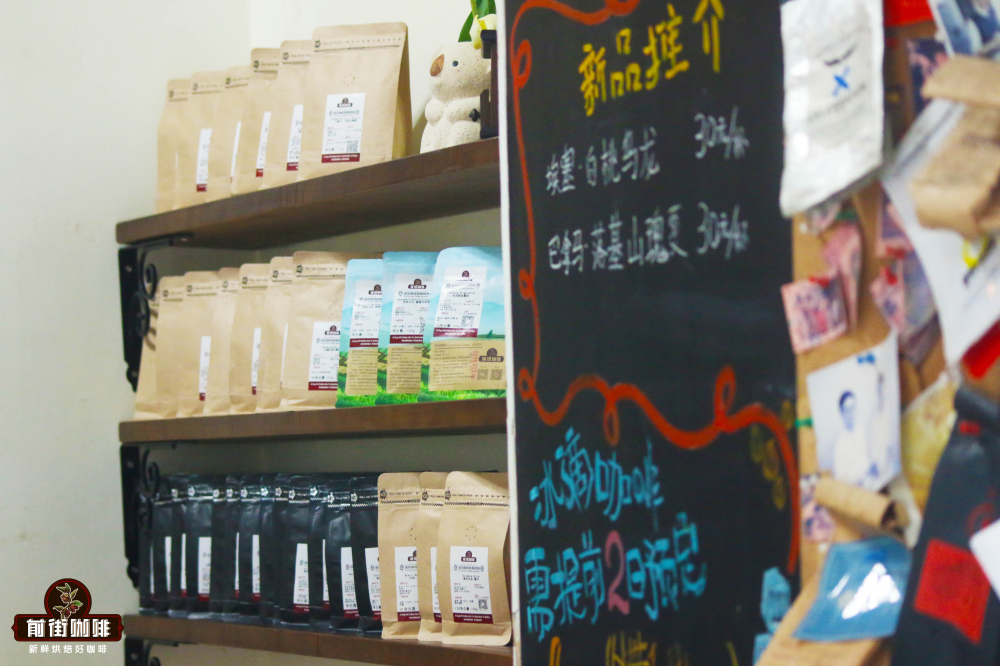
When walking into a café to order, SOE and espresso blends often leave people torn. SOE stands for Single Origin Espresso, meaning espresso extracted from coffee beans of a single origin. It vividly showcases the terroir and personality of its origin, but is affected by season and batch, resulting in poorer flavor consistency and usually a higher price. Espresso blends, on the other hand, mix beans from multiple origins to pursue a balanced taste and a long-term consistent recipe, making them more suitable as a daily staple. So if you want to easily enjoy good coffee at home, which one should you choose? This article will start with the impact of roast level on SOE extraction, explain why medium or darker roasts are more suitable for making SOE, and introduce one by one several beans suitable for SOE, such as Front Street Coffee Huakui, Mozart, Blackberry, Brazil Queen Estate, and Golden Mandheling, to help you find the answer according to your flavor preference. [more…]
SOE Coffee Making | How Are SOE Beans Different from Espresso Blend Beans? Which Tastes Better, SOE Coffee or Blend Coffee? Which Coffee Beans Can You Choose for Making SOE at Home?
As the habit of drinking coffee gradually integrates into the daily lives of Chinese people, the demand for coffee keeps growing and becoming more refined. In order to create their own distinctive features, major chain brands have successively launched personalized SOE coffee, forming a new trend. What is the difference between SOE and blends? In specialty coffee [more…]
SOE Latte Flavor Characteristics | What Is the Relationship and Difference Between SOE Coffee Beans and Pour-Over Single-Origin Beans? Which Tastes Better, Blended Espresso or Single-Origin Espresso?
For more specialty coffee knowledge, please follow our WeChat public account: FrontStreet Coffee. Some people believe that espresso made from single-origin coffee beans (SOE/Single Origin Espresso) must necessarily be better than [more…]
Analysis of SOE Single-Origin Espresso and Espresso Blend Beans, with a Front Street Coffee Buying Guide
This article reviews the origins and current state of SOE (Single Origin Espresso), pointing out that although it has become a highlight of independent coffee shops due to its distinctive character, it is not absolutely superior to traditional blends. The article explains that blended beans are composed of beans from multiple origins, can provide stable flavor, and can be made entirely from specialty beans, while SOE magnifies and reveals the strengths and weaknesses of a single origin and places higher demands on roasting and extraction. For different preferences and uses, the editor gives recommendations for Front Street brand SOE and blended beans: choose African medium roast for fresh floral notes, American medium roast for high sweetness, and Central and South American plus Asian medium-dark roast for those who dislike acidity; for commercial and home blends, there are three options: specialty, commercial, and dark cocoa. Finally, it suggests how to choose from the three aspects of use, equipment, and taste, emphasizing that it is worth asking the barista more questions and trying it yourself. [more…]
SOE Americano Black Coffee | What are the flavor characteristics of SOE espresso? Are SOE coffee beans a higher grade than Italian-style blend beans?
With the growing popularity of espresso, SOE espresso has also become all the rage, so customers visiting Front Street Coffee often ask questions like "Can I choose the beans for espresso?" or "Do you offer SOE coffee options?" What is SOE coffee? SOE stands for "Single [more…]
What is the connection between SOE and pour-over? A comprehensive interpretation of the flavor differences in espresso blend beans
SOE is the abbreviation of Single Origin Espresso, that is, single-origin espresso, which stands in contrast to traditional espresso blends. As the specialty coffee wave advances, more and more cafés are putting SOE on their menus. It emphasizes highlighting the distinctive flavors of a particular origin, making it easier for consumers to connect with the place of origin. However, SOE is not absolutely superior to blends; each has its own suitable scenarios: SOE excels in clarity of flavor, yet places extremely high demands on roasting and extraction techniques; blends achieve balance and stability by complementing one another's strengths. In this article, Front Street breaks down in detail the definition, advantages, and difficulties of SOE, and compares it with espresso blend coffee beans. It also recommends several coffee beans suitable for making SOE, including Natural Red Cherry, Brazil Queen's Farm Yellow Bourbon, and Golden Mandheling, and finally answers whether SOE coffee beans can be used for pour-over. [more…]
What is the difference between SOE single-origin espresso and blended espresso? Front Street Coffee explains the flavor characteristics of SOE lattes and bean selection advice.
SOE (Single Origin Espresso) has appeared more and more frequently on domestic café menus in recent years, and many people mistakenly assume that SOE is necessarily more premium and more expensive than blended espresso, but this is a misunderstanding. From the perspective of Front Street Coffee, this article systematically sorts out the definitions of SOE and blended espresso, their respective advantages and disadvantages, and why not all single origin beans are suitable for making espresso. It also introduces the four espresso blends currently sold by Front Street Coffee and their flavor characteristics, helping coffee lovers make more rational judgments when choosing an SOE latte or blended espresso. [more…]
Single-Origin Espresso Bean Recommendations | Is SOE Coffee Related to Pour-Over? What's the Difference in Flavor Characteristics Between SOE Coffee Beans and Espresso Blend Coffee Beans?
For more specialty coffee knowledge, please follow: Front Street Coffee (Frontsteet Coffee). SOE stands for Single Origin Espresso, where origin refers to a single producing region, while Blend refers to blended coffee beans. Front Street Coffee (FrontStreet Coffee) [more…]
SOE Full Name Explained: Flavor Characteristics and Differences Between Single-Origin Espresso and Espresso Blends
In recent years, the option to "switch to SOE" on coffee menus has become increasingly common, but what exactly does SOE mean? How does it differ from espresso blends? From the perspective of Front Street, this article explains the concept of SOE (Single Origin Espresso), analyzes the differences between single-origin espresso and blends in terms of roasting, flavor, stability, and cost, and explains that SOE is not absolutely superior to blends. In addition, it introduces several coffee beans on Front Street's bean list that are suitable for making SOE, including Yirgacheffe Red Cherry, Honduras Sherry, Costa Rica Mozart, and Brazil Queen's Estate Yellow Bourbon, helping coffee enthusiasts gain a more comprehensive understanding of SOE. [more…]
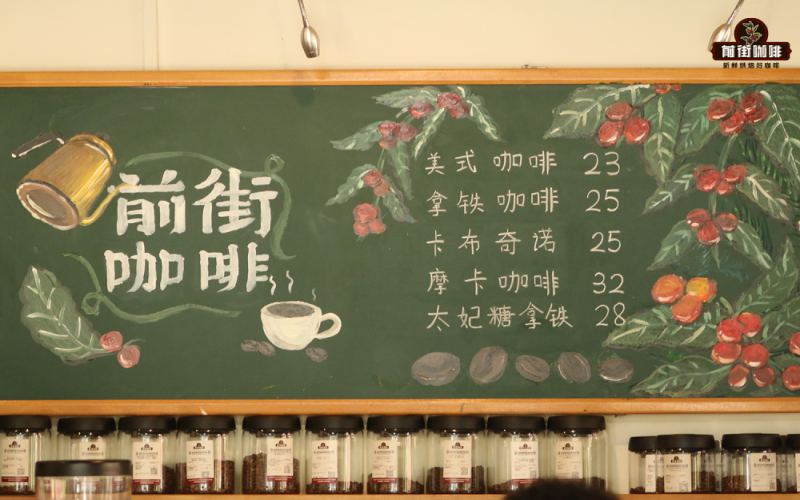
SOE Specialty Coffee Beans Recommendation | What's the Difference Between SOE Coffee Beans and Espresso Blend Coffee Beans? Can Ethiopian Natural Red Cherry SOE Single-Origin Beans Be Used for Pour-Over Coffee?
For more specialty coffee knowledge, please follow the WeChat official account: Front Street Coffee (FrontStreet Coffee). In recent years, as the wave of specialty coffee has swept in, SOE coffee has also begun to gather momentum, so recently quite a few coffee enthusiasts visiting Front Street have asked why Front Street's shop doesn't offer SOE coffee. [more…]
Best Value Specialty Espresso Beans Recommendations | What's the Difference in Flavor Characteristics Between SOE Coffee and Blend Coffee? Which Single-Origin Coffee Beans Are Suitable for Espresso?
In the coffee world, when people mention SOE coffee, they are referring to Single Origin Espresso. Spelled out, this English abbreviation is Single Origin Espresso, and its direct counterpart is Espresso Blend, which refers to Italian-style blended beans. SOE is like a [more…]
What makes single-origin espresso (SOE) unique? Can a home espresso machine make SOE Americanos and lattes?
In coffee shops, you may often hear about SOE lattes or SOE americanos, which refer to drinks made with espresso extracted from single-origin coffee beans as the base. SOE and blend beans each have their own strengths and weaknesses in terms of flavor expression and extraction difficulty. This article will start with a conceptual analysis to explain why SOE cannot be called blend beans, how blend beans achieve balance through complementarity, and further analyze the advantages of SOE in amplifying origin flavors and the challenges in extraction. Then, using Front Street. Mozart SOE as an example, it shares specific extraction parameters and operational procedures, including dose, yield, time, and grind setting, and finally offers suggestions for drinking it straight, making an americano, or a latte, helping coffee enthusiasts gain a more comprehensive understanding of SOE. [more…]